

How to Plan and Communicate HOA Resurfacing for Happy Residents
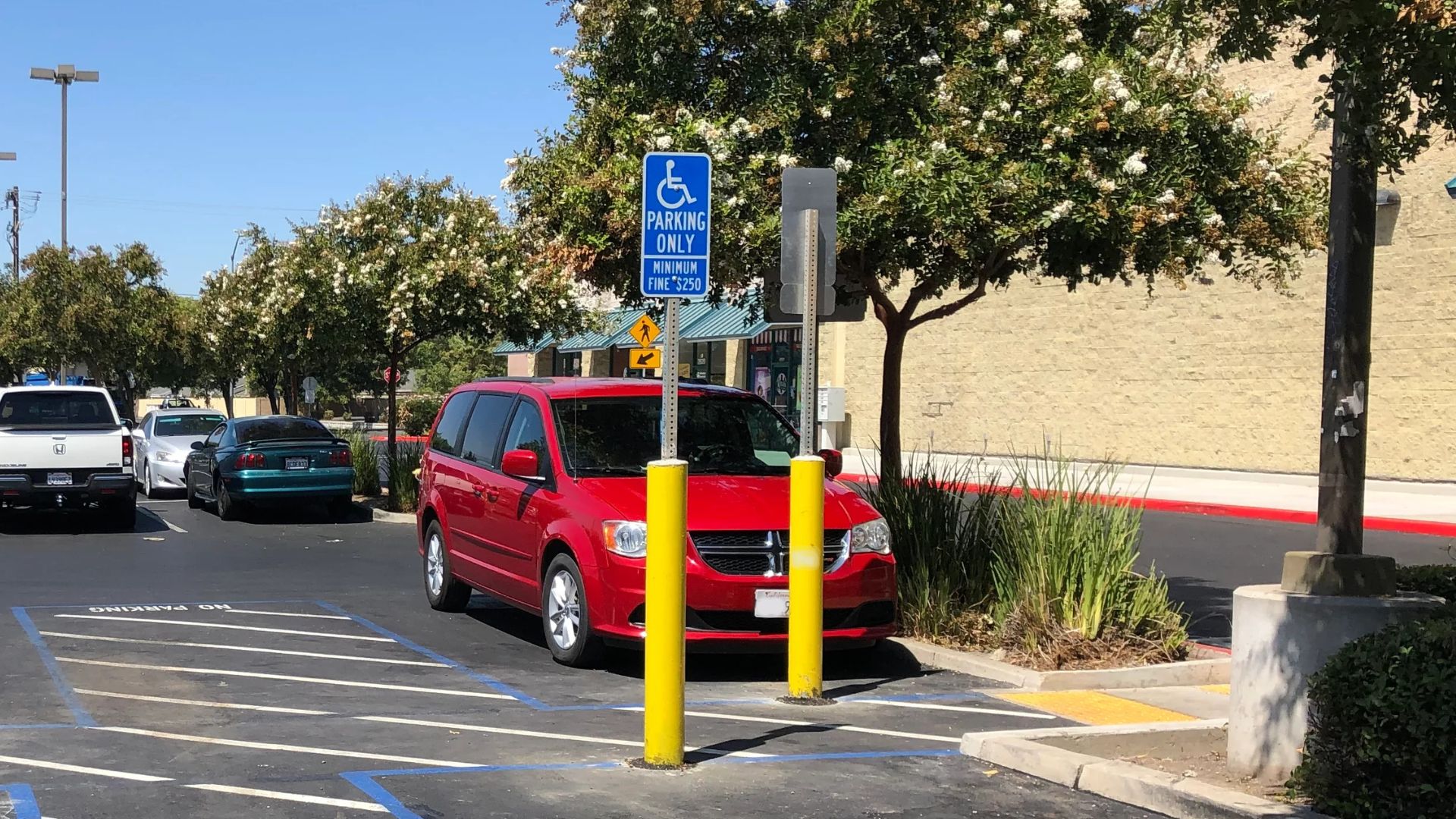
Sealcoat day starts at 8 a.m., but by 8:07 two families still have SUVs parked in the closure zone.
The crew waits. Someone calls a tow truck.
A resident posts the scene in the community Facebook group, and within minutes the comments pile up:
“No one told us!”
“Where are we supposed to park?”
“Why is my driveway taped off?”
If you’ve lived through that kind of morning, you know resurfacing isn’t really a paving challenge—it’s a communication challenge.
But with the right cadence, clear maps, and a little structure, you can turn what’s usually a week of chaos into a smooth, predictable project your community is actually happy about.
This guide walks you through the exact steps to get there. It’s designed for HOA boards and community managers who want less noise, fewer complaints, and a resurfacing project that feels organized from start to finish.
Why Communication Makes or Breaks HOA Resurfacing
Resurfacing isn’t like replacing a clubhouse door or fixing a sprinkler—it touches every resident’s daily life.
People need to know where to park, how to get to their garage, whether their package will be delivered, and if they can walk their dog without stepping in fresh sealcoat.
When you give people information early, consistently, and in multiple formats, they stay calm. But when notices show up late or are easy to miss, frustration builds fast.
Good communication isn’t just about reducing complaints.
It creates predictability, which in turn makes the work go faster, safer, and with fewer interruptions.
The 30-14-7-1 HOA Communication Cadence
This communication cadence is the backbone of a calm resurfacing project.
By spacing out the messaging, you give residents time to prepare, adjust, and ask questions before work begins. And by using multiple channels—email, signage, SMS, door hangers—you make sure nothing gets missed.
Day 30: Project Window Announcement
At this stage, you’re not giving exact dates—you’re setting expectations.
Residents need to know resurfacing is coming, what areas it will affect, and roughly when. This early heads-up softens the ground and reduces the shock factor later.
Send an email, post on your HOA portal, and add signage at entrances. The goal is simple awareness.
Day 14: Detailed Schedule + Map Release
Two weeks out, share specifics: a simple map, a phased schedule, and clear parking instructions.
Add a QR code that links to a mobile-friendly version so residents can check details from their phone.
The more visual you make this step, the fewer misunderstandings you’ll deal with later.
Day 7: Final Logistics Reminder
Now it’s time to repeat the essentials: which sections will close when, where residents should park, and what to expect in terms of walking routes, garage access, and deliveries.
This seven-day reminder is where most confusion disappears—people finally start saving the dates.
Day 1: Day-Of Text + Door Hangers
A short SMS an hour or two before crews arrive can single-handedly prevent towing nightmares.
Pair it with door hangers for the units in the active phase of work.
This is your “eyes up, today’s the day” reminder—and it makes a huge difference in compliance.
Phasing That Respects Residents’ Daily Lives
Phasing is where communication meets operations.
A well-thought-out phasing plan keeps people moving safely while still giving crews the space they need.
You’re not just closing streets—you’re closing access to garages, mailboxes, trash pickup, and everyday routines. That’s why the best phasing plans are built around resident life first, paving second.
How to Phase Like a Community Pro
- Phase one side of the community at a time so residents always have a place to park.
- Schedule work in sections that preserve ADA routes. Post temporary wayfinding.
- Keep mail access open or provide a temporary pick-up point if needed.
- Coordinate resurfacing around trash days so bins don’t end up stranded behind cones.
- Leave an emergency access lane open at all times—this protects residents and keeps crews safe.
A little empathy here goes a long way, here.
When residents feel considered, they’re far more cooperative.
What Residents Need to Know Before the First Cone Drops
Even the best phasing plan will fall apart if residents don’t understand the “why” behind certain rules. This is where clear, human communication pays off.
Key Messages to Cover Early
Cure times: Let people know when they can walk, drive, roll strollers, or use mobility devices on fresh surfaces. Clarity here prevents damage and keeps crews on schedule.
Pets: Explain that pets can track chemicals or damage soft coating. Offer simple detour routes around active zones.
Sprinklers: Request sprinklers be turned off 24 hours before and after work. It sounds small, but it prevents spotting and streaking that can ruin a freshly sealed surface.
Parking: Spell out exactly where residents need to park the night before and when towing begins. This is the single biggest friction point—make it simple.
Deliveries and services: Advise residents to reroute packages or instruct delivery drivers to use alternate drop points.
When these details are spelled out clearly and repeatedly, you dramatically reduce the “I didn’t know” conversations that slow crews down.
Save Money With Smart Timing and Bundled Work
Resurfacing decisions aren’t just operational—they’re financial. Smart timing can shave weeks off schedules and cut budgets by thousands of dollars.
How HOAs Can Reduce Cost Without Cutting Quality
Use shoulder seasons (spring/fall). Weather is friendlier, cure times are more predictable, and contractors have fewer delays so your project stays on track.
Bundle your scope. Crack seal → sealcoat → restripe done in sequence avoids multiple mobilization fees and creates a smoother final result.
Combine neighboring projects or phases. If your HOA has several lanes or cul-de-sacs, doing them together often saves money.
Align with your reserve study. Asphalt lasts longer—and costs less—when you resurface before failure, not after.
This is where planning intersects with financial stewardship. When boards get ahead of the asphalt maintenance curve, they stay ahead of the costs, too.
Quick Answers That Keep Projects Moving (FAQ)
These are the questions residents and boards ask most often—and the ones that can calm a lot of pre-project anxiety.
How long before I can drive on fresh sealcoat?
Most sealcoat needs 24 hours of cure time before driving, depending on weather. Walking is usually okay after a few hours, but always check with the contractor for exact timing.
What if a resident forgets to move their car?
Communities typically tow vehicles out of active zones to keep the project moving. Clear reminders—especially SMS—reduce the need for enforcement.
Can emergency vehicles still access the community?
Yes. A properly phased plan always maintains at least one open access route for emergency services.
Is sealcoat safe for pets and tires?
Once cured, yes. But pets and tires should avoid fresh sealcoat entirely—both can damage the surface or track material into homes.
How long does HOA resurfacing take?
Most communities can be completed in sections over the course of one to three days, depending on size and complexity.
What happens if it rains on resurfacing day?
The crew will reschedule affected sections. Weather flexibility is built into most HOA paving calendars.
Turn Resurfacing Into a Smooth, Predictable Experience
Resurfacing doesn’t have to be a week of stress, complaints, or emergency towing.
When you give residents clear, early information—and pair that with thoughtful phasing—you turn a disruptive project into a predictable one.
A-1 Advantage makes that easier by handling the communication, the logistics, and the details, so your board can focus on the community instead of the chaos. With the right plan, resurfacing becomes a maintenance win for you and your residents.
If you want to see what a smooth resurfacing plan looks like for your community, get in touch today and we’ll show you what’s possible.


FOLLOW


STAY UP TO DATE
Thank you! Your submission has been received!
Oops! Something went wrong while submitting the form.
Contractor’s State License #762538 - #882596
Copyright ©2024 A-1 Advantage Asphalt. All Rights Reserved.
Website Built by RUSTY GEORGE.
Copyright ©2024 A-1 Advantage Asphalt. All Rights Reserved.
Website Built by RUSTY GEORGE.