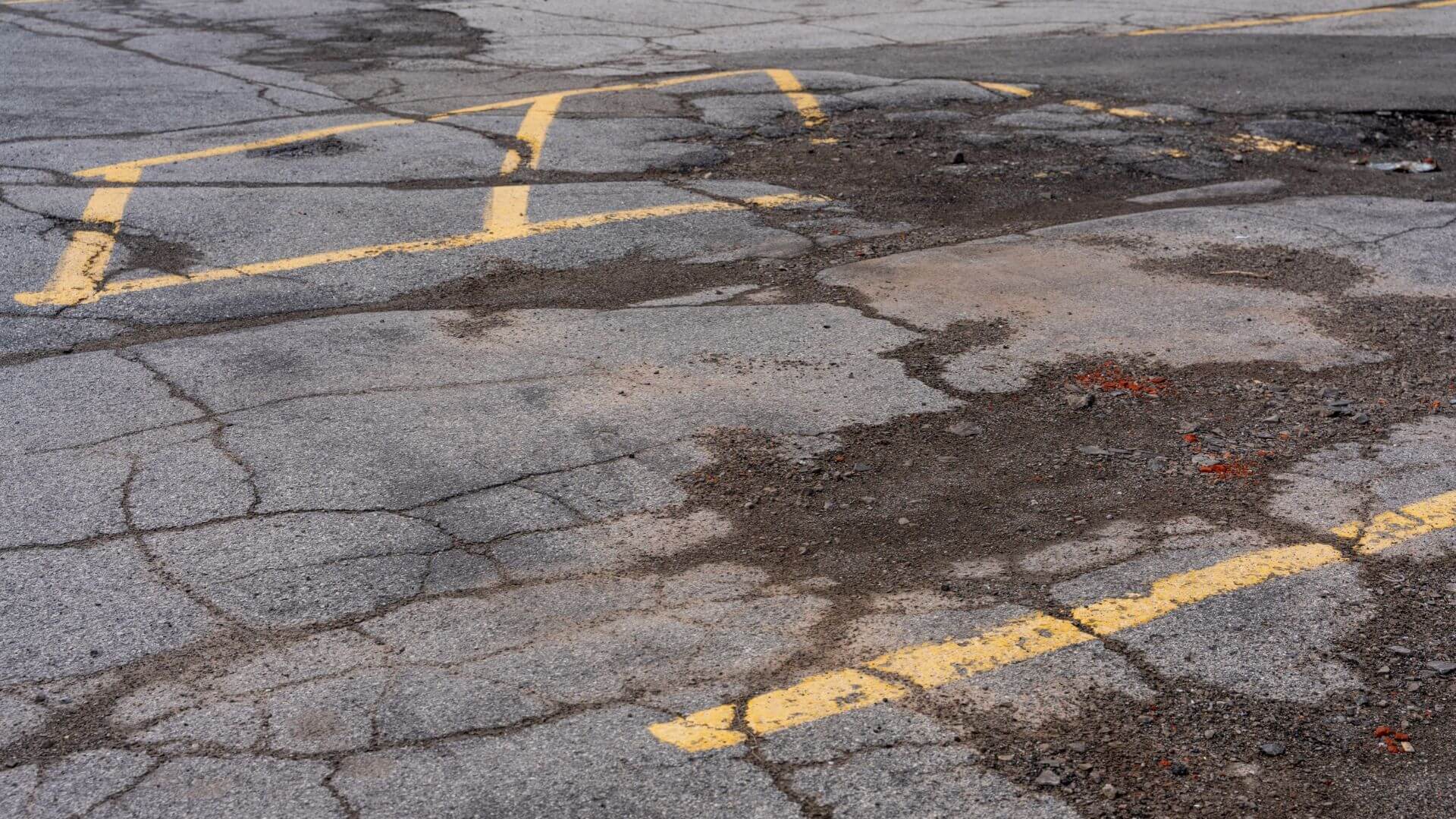


Commercial Concrete Cost in Northern California: Sidewalks, Curbs, Gutters, and ADA Ramps

Budgeting for commercial concrete work means accounting for sidewalks, curbs, drainage, and accessible routes, but also how construction will affect your property’s daily operations.
For Northern California property managers, unit prices are the starting point.
A useful estimate also addresses site conditions, access restrictions, and connections to surrounding pavement.
At A-1 Advantage Asphalt and Concrete, we bring concrete, asphalt, striping, and ADA improvements together under one scope. Your team can work with one contractor to coordinate related improvements, resolve pavement connections, and plan the construction sequence.
How much does commercial concrete work cost in Northern California?
Commercial sidewalks are commonly priced by the square foot, curbs and gutters by the linear foot, and curb ramps by the ramp or defined scope. Your total also depends on removal, site preparation, access, and related improvements.
For early budgeting, use these broad planning allowances for the concrete construction portion of a replacement project:
- Commercial sidewalk removal and replacement: approximately 20–50 per square foot. This assumes conventional pedestrian concrete with ordinary removal and preparation. Small, scattered repairs or substantial base corrections can cost more.
- Combined curb-and-gutter removal and replacement: approximately 75–200 per linear foot. The curb profile, gutter width, drainage elevations, and surrounding pavement affect the price. Curb-only work needs a separate estimate.
- ADA curb-ramp replacement: approximately 6,000–20,000 per ramp. Use this as an initial allowance for a curb ramp, not a longer building-access ramp with handrails. Extensive grading, utility conflicts, and adjoining route reconstruction can push costs higher.
These preliminary allowances draw on Northern California public-project bid records. They aren’t A-1 quotes or all-inclusive project budgets.
Actual pricing can vary widely—and exceed these ranges—depending on traffic control needs, the number of mobilizations, restricted working hours, and project phasing. Small repairs spread across an occupied property can cost more per unit than continuous work with unrestricted access. Design, permits, testing, and substantial drainage or pavement restoration may require separate allowances.
Request a site-specific estimate from A-1. Share your location, approximate quantities, access restrictions, and timing so we can help define the complete scope.
What should sidewalk, curb, and ramp pricing include?
A complete estimate identifies what will be removed, prepared, built, and restored. Check these details for each type of work.
Commercial sidewalk replacement
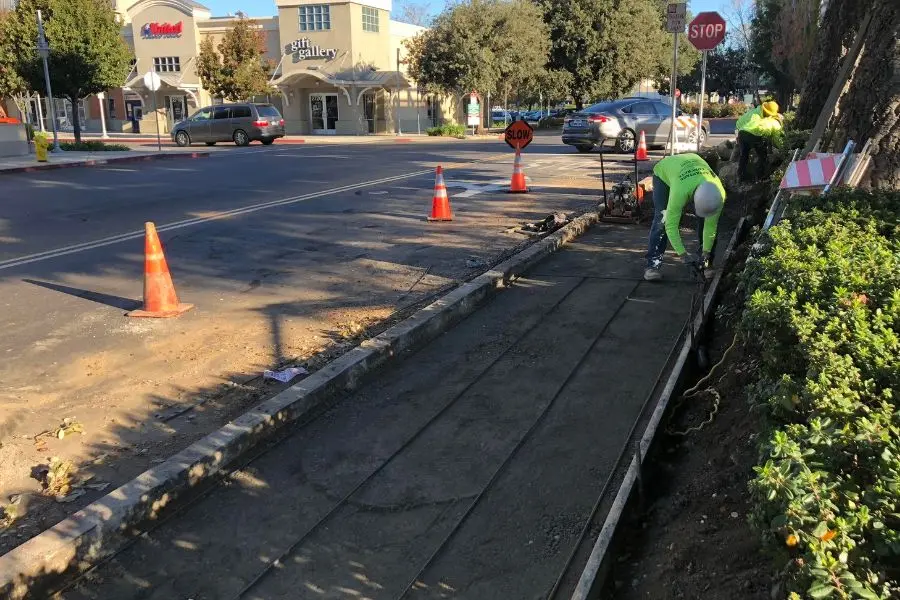
Confirm saw cutting, demolition, hauling, base preparation, concrete thickness, reinforcement where specified, finishing, and joints. Areas crossed by vehicles may need different specifications from pedestrian-only walkways.
If the sidewalk has settled or shifted, the scope should address the underlying condition and transitions to entrances and adjoining pavement. A-1’s commercial concrete flatwork services account for grading, drainage, and these connections.
Concrete curbs and gutters
Separate curb-only work from combined curb-and-gutter replacement. Dimensions, profiles, and drainage elevations affect the cost.
Confirm whether the estimate includes restoring asphalt beside the new concrete. A-1 can coordinate both surfaces under one scope, helping your team avoid a gap between the concrete work and pavement restoration.
ADA curb ramps and access ramps
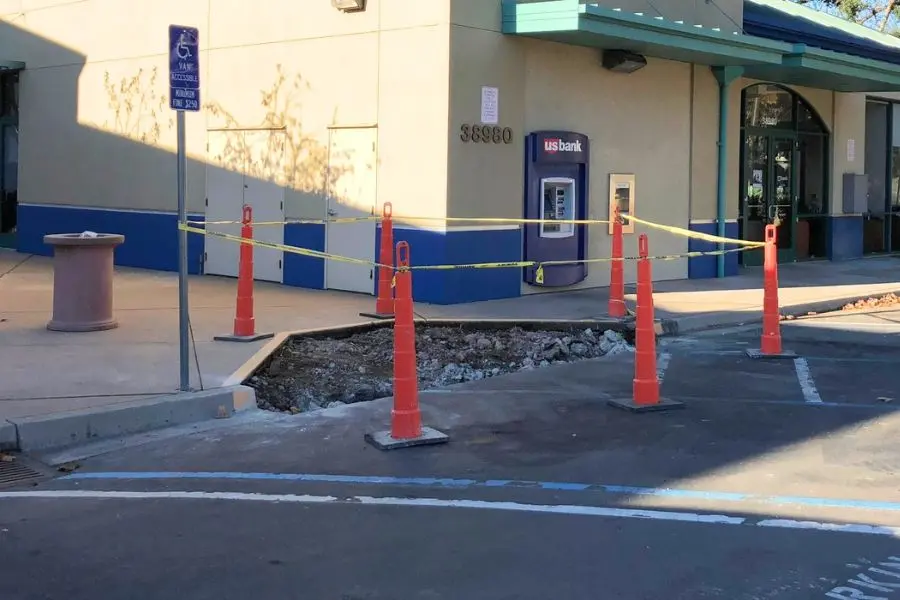
A curb ramp connecting parking to a sidewalk differs from a longer building-access ramp. Pricing depends on elevation changes, landings, adjoining surfaces, and any required handrails, edge protection, or detectable warnings.
The U.S. Access Board’s guidance explains ramp requirements; applicable California and local provisions also need review.
A-1 can coordinate ADA ramps and handrails with sidewalk, asphalt, and striping improvements along the route.
Planning an accessibility upgrade? Talk with A-1 about your project, and share any plans or accessibility assessments to help define the construction scope.
What changes your concrete project’s total cost?
Beyond access and scheduling, four factors shape the estimate:
- Quantity and layout: Several scattered repairs require different setups from one continuous replacement.
- Removal and preparation: Existing thickness, reinforcement, hauling access, root damage, and unsuitable base material affect the work.
- Specifications and loading: Concrete thickness, reinforcement, and finish should match the intended use. Compare bids using the same specifications.
- Connected improvements: Correcting drainage, accessible routes, or pavement transitions can extend the scope beyond visibly damaged concrete.
Ask which conditions have been verified, what remains an allowance, and how additional work would be authorized. Identifying these details early gives your team a clearer basis for approving the budget.
Should you repair the concrete or replace it?
Localized surface damage may be repairable when the surrounding concrete remains sound. Significant deterioration, displacement, or recurring settlement warrants closer evaluation for replacement.
The proposed solution should address the cause, including drainage or unsuitable grades where relevant. For properties with several affected areas, ask the contractor to identify priorities and explain which sections need replacement. That helps you direct your budget toward the work your property needs.
How to get a complete, comparable concrete estimate
Start with your property address, photos, approximate quantities, and the problems you’ve observed. Include access restrictions and the timing you’re working toward. Existing plans or accessibility assessments can help define the work.
Then check that each proposal addresses:
- Quantities and locations: Square footage, curb lengths, ramp types, and clearly identified work areas.
- Removal and preparation: Saw cutting, demolition, disposal, excavation, and base work.
- Construction specifications: Thickness, reinforcement where specified, finish, joints, and grading.
- Related improvements: Drainage, accessibility features, and restoration of adjacent pavement or landscaping.
- Site operations: Phasing, pedestrian access, protection of new concrete, and reopening criteria.
- Scope boundaries: Permits, testing, allowances, exclusions, and authorization for additional work.
If concrete work is part of a parking lot improvement, review the commercial asphalt paving cost guide alongside your concrete estimate.
A curb replacement may also need asphalt restoration; a ramp upgrade may require changes to adjacent sidewalks and striping. With A-1, your property team can address those connections through one contractor and one coordinated scope.
Discuss your concrete, paving, and accessibility needs with A-1 so we can help plan the related work together.
Commercial concrete cost FAQs
Can combining concrete repairs with asphalt paving reduce costs?
It may reduce repeated mobilization or avoid restoring the same area twice, depending on the project. Ask the contractor to explain the proposed sequence and any cost difference. Coordinating work can also simplify scheduling, but it doesn’t guarantee a particular savings.
How soon can sidewalks or ramps reopen?
Reopening depends on the concrete mix, weather, curing conditions, and anticipated use. Pedestrian access and vehicle loading may have different requirements. Have the contractor identify reopening criteria and temporary access arrangements before work starts, especially near entrances or busy walkways.
Get a concrete estimate for your Northern California property
A-1 Advantage Asphalt and Concrete installs and repairs commercial site concrete for retail centers, industrial sites, HOAs, institutional properties, and municipal facilities.
Request a concrete project estimate. Share your property location, the areas that need attention, and your preferred timing so our team can help define the work and price the scope.


FOLLOW


STAY UP TO DATE
Thank you! Your submission has been received!
Oops! Something went wrong while submitting the form.
Contractor’s State License #762538 - #882596
Copyright ©2024 A-1 Advantage Asphalt. All Rights Reserved.
Website Built by RUSTY GEORGE.
Copyright ©2024 A-1 Advantage Asphalt. All Rights Reserved.
Website Built by RUSTY GEORGE.