

Sealcoating Cost in Northern California (2026): Real Price Ranges and What Drives Them

If your parking lot is starting to look faded, dry, or worn, sealcoating can be one of the most cost-effective ways to keep small issues from turning into big repair bills.
But what does sealcoating actually cost in Northern California?
That’s the question property managers, facility teams, and HOA boards are asking from San Jose to Eureka.
But the answer depends on more than square footage alone. Lot size, pavement condition, crack sealing needs, striping, and site access can all move the number up or down.
In this guide, we not only give you realistic commercial sealcoating price ranges, but we explain what actually drives the cost. And we show you when sealcoating makes sense versus when a heavier repair or preservation treatment may be the better investment.
Our goal is to help you budget more confidently and avoid spending money on the wrong fix.
Quick Answer: How Much Does Sealcoating Cost?
In Northern California, commercial sealcoating usually runs about $0.15 to $0.30 per square foot for a straightforward professional two-coat job.
A lot of typical properties land between $0.18 and $0.26 per square foot, while smaller or more complicated projects can push higher once prep, crack sealing, phasing, or restriping are added.
A simple budgeting shortcut looks like this:
- 10,000 square feet: about $1,500 to $3,000
- 25,000 square feet: about $4,000 to $7,500
- 50,000 square feet: about $8,000 to $15,000
Those numbers are useful for planning, but they’re still just estimates.
If you want a precise quote, get in touch and one of our full-time estimators will get back to you right away.
What Affects Sealcoating Cost?
It makes sense what your lot’s square footage is a big factor in the bids you’ll get. But there are some other key cost drivers you should keep in mind when you’re budgeting.
Let’s take a look at all the main factors driving sealcoating cost.
1. Size of the lot
This is the biggest driver of unit cost, and it is usually the easiest one to understand.
The overall price for a larger lot is higher, because it requires more time and sealant. But the per-square-foot price is often lower, because mobilization, equipment setup, crew time, and traffic control get spread over more area.
Smaller lots often have a higher per-square-foot price for the exact opposite reason. The contractor still has to show up, prep the job, manage closures, and clean up, even if the lot is only a fraction of the size.
2. Condition of the pavement
Sealcoating works best when the pavement is still fundamentally sound.
If the lot is mostly intact and just looks faded or oxidized, sealcoat pricing is usually pretty straightforward. But if it has open cracks, oil spots, potholes, failed areas, or loose surface material, that requires more prep work, which drives up the cost of the project.
3. Whether crack sealing is needed first
This is one of the most important line items to budget honestly.
Sealcoating is not a crack repair method.
So if cracks are already open, they often need to be sealed before the sealcoat goes down. Otherwise water will continue to work down into the pavement and cause larger problems over time.
4. Striping and markings after sealcoating
Sealcoating gives you a fresh black surface for your lot. Which usually means you need to restore the markings that make the lot usable and compliant.
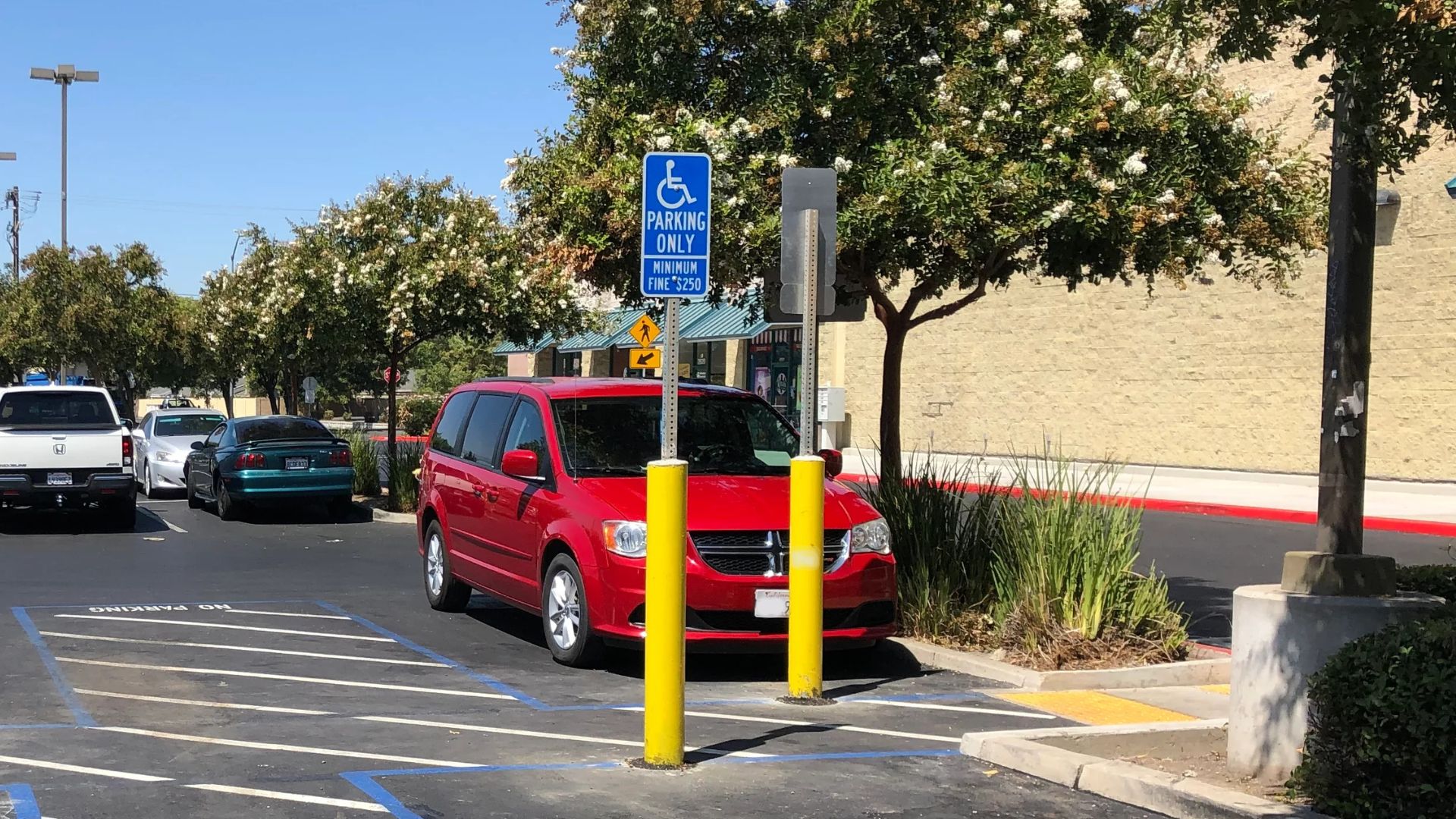
That can include standard stall lines, ADA spaces, access aisles, arrows, red curbs, fire lanes, loading zones, and other markings. See our pricing guide for parking lot striping to get a sense of how to budget.
5. Access, phasing, and scheduling
The surface is only part of the job. The operating reality of the site matters too.
A quiet warehouse lot is different from a busy retail center, a medical campus, or an HOA with limited parking tolerance.
If the job has to be phased carefully, performed off-hours, or coordinated around tenant access, that adds labor and planning complexity, which adds to the cost of the project.
6. Surface prep requirements
Good-looking sealcoat jobs start before the sealcoat ever goes down.
Cleaning, edge prep, crack prep, oil treatment, and patching failed areas all affect how well the finished coating bonds and how long it lasts. Careful prep work adds to the cost, but it can save you the cost of additional applications or larger repairs.
When Sealcoating Is Worth It
Sealcoating is a strong value when you catch the pavement early enough.
It usually makes sense when the asphalt is still structurally sound. The surface might be faded or oxidized, with minor cracking present but manageable.
The goal is to protect the surface, improve appearance, and extend service life. It’s not pavement repair. It’s proactive maintenance that protects asphalt from weather, traffic, and aging while helping preserve a safe, uniform surface.
When Sealcoating Is Not Enough
This is the part buyers need to hear clearly, even if it is not the cheapest answer.
Sealcoating is not the right fix for alligator cracking, soft spots, base failure, widespread potholes, severe ponding, or pavement that is already breaking apart structurally.
That is worth saying plainly because a low-price maintenance treatment can feel appealing when budgets are tight. But applying sealcoat to failing pavement is often just a way to spend money without solving the problem.
Sealcoating vs. Slurry Seal: Which One Makes More Sense?
These two treatments often get mentioned together, but they are not the same decision.
Sealcoating is usually the better fit when the pavement is still tight and intact and mainly needs protection and a cleaner appearance. Slurry seal is the better fit when the surface is more worn and has started to lose texture, but the pavement is still structurally sound.
But good rule of thumb is this: sealcoat protects; slurry renews. If you want a more detailed decision tree, see our guide to choosing between sealcoat and slurry seal.
Does Crack Sealing Need to Happen First?
In many cases, yes.
Sealcoat helps protect pavement, but it doesn’t fix open cracks. If those cracks are left untreated, water can keep getting below the surface and shorten the life of the work. That’s why crack sealing should be a routine part of your proactive maintenance plan.
See our full Northern California parking lot paving guide to see how sealcoating fits into an efficient lot maintenance plan.
Typical Sealcoating Scenarios in Northern California
Real Northern California lots don’t usually look like the neat calculator examples. So let’s take a look at some practical examples.
Small office or retail lot with faded pavement and minor cracks
This is often a strong sealcoating candidate.
If the pavement is mostly sound and the main issues are oxidation, fading, and a manageable amount of cracking, sealcoating with selective crack sealing is often the right maintenance spend. This is also the kind of site where the per-square-foot price can run a little higher because the lot is smaller and mobilization matters more.
HOA private street or shared drive needing preservation
This is usually a planning and phasing conversation as much as a coating conversation.
If the surface is aging but still structurally sound, sealcoating can be a smart way to preserve appearance and extend life without jumping straight to resurfacing.
The catch is access: HOA work often needs more communication, more staging discipline, and tighter closure planning than buyers expect. That affects both scheduling and price. See our guide to planning your HOA resurfacing for more.
Industrial or higher-traffic lot needing evaluation
This is where the pavement condition matters more than the word “sealcoat.”
Heavy turning, truck traffic, and wear at loading areas can push a site out of simple sealcoat territory faster than a standard office lot. Higher-wear surfaces may need a slurry seal or even more structural work depending on how much actual distress is present.
Older lot where sealcoating is too late
This is the situation nobody wants to hear about, but it’s sometimes the honest answer.
And will save you money in the long run.
If the lot has alligator cracking, repeated potholes, soft areas, or widespread failures, the better spend is usually repair, resurfacing, or replacement rather than coating over the symptoms.
How to Get a More Accurate Sealcoating Quote
A good quote gets faster and more accurate when the contractor has the right basic information from the start.
Send these six things:
- Property address
- Approximate lot size
- Photos or an aerial screenshot
- Notes on cracks, potholes, ponding, or oil spots
- Whether restriping is needed after sealcoating
- Whether the lot has to stay partially open during the work
That is usually enough to move the conversation from vague ballpark pricing to a much more useful budget conversation. It also helps the contractor tell you when sealcoating is the right move and when it is not.
Or just get in touch with us, and one of our full-time estimators will get all the info we need for an accurate quote.
FAQ
These are the short answers many buyers want to scan before they reach out.
How much does sealcoating cost per square foot?
For commercial properties in Northern California, a realistic planning range is about $0.15 to $0.30 per square foot for a straightforward two-coat job, with many typical jobs landing around $0.18 to $0.26 per square foot. But damaged pavement or lot complexity can push it higher.
Is sealcoating cheaper than slurry seal?
Yes, for pavement that’s structurally sound and just needs protection and a refreshed appearance, sealcoating is usually the cheaper and more cost-effective option.
How often should a parking lot be sealcoated?
There is no single schedule that fits every property.
Traffic, weather exposure, surface condition, and maintenance history all matter.
Every 2–3 years is a good rule of thumb, depending on your lot’s needs. But what is more important than a calendar answer is to catch your pavement while it is still a good sealcoat candidate, before cracking and wear become structural.
Can sealcoating fix potholes or alligator cracking?
No.
Sealcoating is a preservation treatment, not a structural repair. If the pavement is already failing, patching, resurfacing, or more extensive work is usually needed first.
Is sealcoating worth it for older asphalt?
Sometimes, but not always.
If the pavement is older yet still structurally sound, sealcoating can still be a smart way to protect it and improve appearance. If the surface has crossed into widespread failure, it is usually too late for sealcoat to be a smart standalone fix.
When is the best time of year to sealcoat in Northern California?
The best time is when the weather and site operations allow proper prep, application, curing, and restriping.
That is one reason closure planning and scheduling matter so much on active sites. The quality of the finished job depends on more than just the product.
Final Thoughts
The right sealcoating budget depends on pavement condition, not just square footage.
If your lot is still in good enough shape for sealcoating, this can be one of the more cost-effective ways to protect the surface and extend its life. If it needs more than that, the smartest move is knowing that before you spend money on the wrong treatment.
If you’re curious what’s best for your lot and how much it will cost, get in touch and we’ll walk you through the best options.


FOLLOW


STAY UP TO DATE
Thank you! Your submission has been received!
Oops! Something went wrong while submitting the form.
Contractor’s State License #762538 - #882596
Copyright ©2024 A-1 Advantage Asphalt. All Rights Reserved.
Website Built by RUSTY GEORGE.
Copyright ©2024 A-1 Advantage Asphalt. All Rights Reserved.
Website Built by RUSTY GEORGE.